Waiting since october? Mine took only a week to arrive earlier this month (from DV247 in the UK and they even gave me a huge discountnowtime wrote:If this Light Peak/Thunderbolt rumor is true and we have a whole new transmission technology available tomorrow, how will that affect new soundcards, particularly in regards to latency?
Reason being, I have been waiting for an RME UFX that I ordered back in October, and I am worried I will have outdated technology from the get-go. I would presume RME would have a Thunderbolt version within 6 months. Do you tech-heads think I would be missing out on that much? I'm thinking of cancelling my order.
 ). Perhaps cancel and get from another dealer?
As for new higher speed transmission technologies - no I dont think they will make any difference at all without a significant change in the way driver architectures are implemented on both Macs and PCs.
As a very simple example - at 44.1K samples rate, 48 sample bufer size sending a pair of 24 sample buffers (for sereo) to the main outs of an RME UFX takes roughly:
- ASIO Buffer: 1.1ms
- Additionall OS/Driver Safetey buffer of 32 samples time: 0.7ms
- USB2 handshaking and packet transmission from PC/Mac to UFX: 0.5ms (I beleive this is actually buried under the safetey buffer time, so dont need to count it).
- Internal routing inside the UFX: 0.07ms
- DA conversion: 0.27ms (due to 64x or 128x oversampling and filtering or whatever their converters actually do).
Total about 2.57ms (exlcuding the actual transmision time as I beeive that is what the safety buffer is for), if the OS adds more, to accout for that, then total between 2.6 and 2.63ms.
So - the point being, under USB2 with current drver architecture in both Mac and PC, the actual hardware USB2 data interchange accounts for only about 20% of the total with the smallest possible buffer size on this interface. Now with higher sample rates, the equation changes - USB2 data interchange starts having a greater impact and the timing of other buffers go down, but we still generally all use 44.1 at the moment and thats probbaly not going to change for most people any time soon.
USB3, lightpeek or whatever isnt going to change anything significant in the way moving from USB1 to USB2 did. If you want a significant change, then its going to have to happen at OS, driver and application level with significantly tighter couple between hardware and applications to acheive much small buffer sizes and more of the datta packet transission logic being done in hardware in the computer as well as in the audio interface as is the case with RME USB.
Also I wouldnt mind betting that the technology RME employ to handle USB2 and FW inside the UFX (and all their USB and FW interfaces) will out perform any CPU based approached employed by many other audio interfaces for a long time to come - even if that audio interface is using lightpeek while RME is still using USB2. There is a question around whether the UFX is just USB3 compatible or whatever it can fully exploit USB3 with a formware upgrade (or even now). If it can, then it will be very good for a long time to come, not to mention having excellent audio quality.
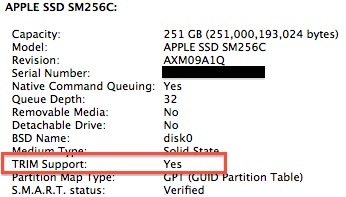
 It's a really nice machine, happy to have a backlit keyboard and considering I was about to drop over $2k on the previous generation Core i7 at 2.6ghz, i'm really happy I waited. It'll still be more than enough for what I need. Most excited about thunderbolt for the HDMI capabilities (via adapter) and ready for an external drive that features this tech! Next step, replacing the 5400rpm drive with an SSD! And here's hoping Lion supports trim! The graphics don't really bother me considering I'm only using this for audio...as long as meters are relatively accurate I'm good!!!