Hi all,
I don't claim to be a ground hum expert by any means, but after having similar issues a while back, I managed to gather a little bit of info on the ins and outs of it all...
Firstly, as many have mentioned the ground lift is an option.
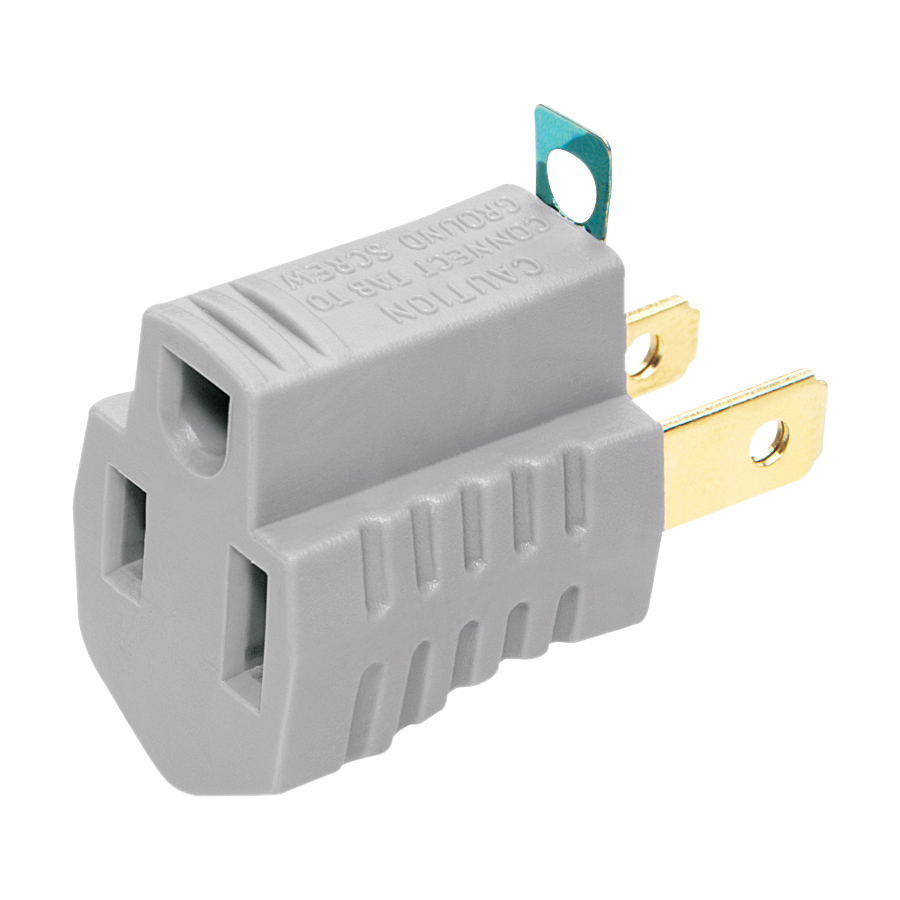
... Allbeit a potentially dangerous one. The cheapest & most effective way I have found to achieve this is remove the earth pin from a small plastic double adapter. This is pretty easy to do (given the right adapter) and leaves you with a portable solution that takes very little room in the live rig case(s).
So I bought and tried numerous inline noise reduction attachments.
Most of which were from the cheaper end of the car stereo market or home electronics stores. Many were similar to those mentioned here. Unfortunately I garnered mixed results from using them.
Some seemed to do the trick on certain systems, whilst the hum was still present in others.
I then spoke to a local electronics/audio/electrics expert (and audiophile!) on the matter, and amongst other things, he managed to put the unreliability down to the large number of different in-house systems I was playing through at the time.
More importantly though, he explained that:
Sound quality is highly likely to be affected by using the transformers found in cheaper units.
I asked him to elaborate, which he did, and while I can't recall the relevant technical details, he imparted this rule of thumb:
The cheaper the unit, the narrower the frequency range which it's transformers can handle.
Worse than that however, the frequencies that suffer first are the low end ones - a big no-no for much of the music I like to produce & hear.
Obviously it would depend on your end useage, but if your live set includes a lot of subs and low-end bounce you may want to run some tests on your system (with the noise reducer inline) to see how much difference it makes...
[b/]The way I ran my own simple tests were as follows:[/b]
1. Start with a good clean full frequency loop of produced/mastered music/material.
2. Record the loop playing back from your laptop into another machine (eg. DAT, another computer etc.)
3. Make a comparison file by using exactly the same leads/connections, but sans the inline noise reducer.
4. Use frequency analysis tools (eg. soundforge) to compare the spectrums of each file.
Pretty basic conceptually I know, but with my collection of cheap noise reducers I found the results were pretty shocking.
Maybe I had just picked up the wrong brands or something, but in many of the devices my bass tones deteriorated *drastically*. Additionally, most units added all sorts of tone colouration to the original loop. Not the good kind either...

At any rate, the expert I consulted recommended purchasing some high quality transformers from an electronics shop (out of my league to make recommendations here I'm afraid...anyone?) and either make my own noise reducer or get someone to build it for me.
As it stands I am still using the double adapter (sans earth pin) for the time being, but intend to have one of these devices ready to roll by the next time I hit the stage for a solo set.
Hopefully some of this info was helpful, and apologies about the length - I'm just not very good at short explanations
Best of luck with it all...